


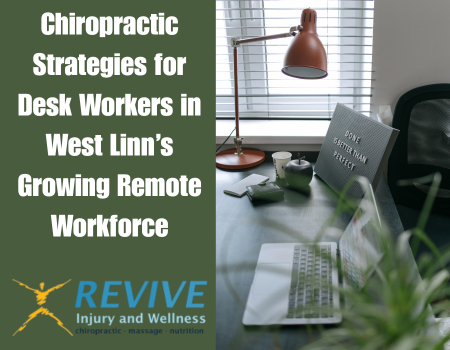
West Linn has seen a steady rise in remote work, and while this shift offers flexibility and convenience, it has also led to a surge in posture-related pain. Many remote workers spend long hours at makeshift desks, dining tables, sofas, or even beds. These setups often lack the support needed for healthy spinal alignment. As a result, more residents are seeking desk posture chiropracticcare to manage neck stiffness, back pain, and repetitive strain.
With remote work likely to remain a large part of the West Linn lifestyle, understanding the posture challenges and effective chiropractic strategies can help workers stay healthy and productive.
How Remote Work Is Changing Posture Patterns in West Linn
Remote workers often slip into habits that seem comfortable at first but create long-term strain on the spine.
Common posture issues include:
- Forward head posture during screen time
- Rounded shoulders from extended typing
- Lower back slumping due to non-ergonomic chairs
- Crossed legs that twist the pelvis
- Leaning toward a laptop placed too low
These small daily habits accumulate over time, placing excessive stress on the neck, upper back, and lumbar spine. As West Linn’s remote-work population grows, so does the need for ergonomic alignment and spinal care.
Why Desk Workers Experience More Pain at Home Than in Offices
Traditional offices often include ergonomic chairs, desks, and monitors. At home, many people work with what they have, which can lead to:
- Poor spinal support
- Low screen height that forces neck bending
- Lack of arm support that strains shoulders
- Hard or soft seating that impacts pelvic alignment
Without proper setup, muscles must work harder to support the spine, leading to fatigue and discomfort. This is why ergonomic alignment in West Linn is becoming a key topic among health professionals and local chiropractors.
Chiropractic Adjustments That Support Remote Workers
Chiropractors help desk workers reduce pain and prevent long-term issues by correcting misalignments and improving mobility. Some of the most effective strategies include:
1. Cervical Spine Adjustments for Forward Head Posture
Remote workers often lean toward their screens. Chiropractic adjustments help:
- Restore natural neck curvature
- Reduce tension headaches
- Improve range of motion
- Decrease nerve irritation
These adjustments counter the strain caused by prolonged screen time.
2. Thoracic Adjustments to Open the Chest and Improve Breathing
Slouching compresses the upper back and chest. Releasing these joints helps workers:
- Sit more upright
- Reduce shoulder tightness
- Improve breathing patterns
- Support stronger posture habits
3. Lumbar Adjustments for Lower Back Relief
Long sitting increases pressure on the lumbar spine. Aligning this area helps reduce:
- Sharp low-back pain
- Sciatic discomfort
- Pelvic imbalances
- Muscle stiffness
4. Soft Tissue Therapy for Tension From Repetitive Tasks
Chiropractors may use stretching, trigger point care, or muscle release techniques to reduce tension caused by typing, scrolling, and clicking.
Together, these strategies offer effective remote worker pain relief and support long-term spinal health.
Ergonomic Fixes That Make Remote Work Healthier
Chiropractic care works best when paired with proper workstation habits. Here are simple fixes that can transform posture:
1. Raise the Screen to Eye Level
Use a laptop stand or stack books to reduce neck bending.
2. Choose a Chair With Lumbar Support
A supportive chair helps keep the spine in a neutral position.
3. Keep Feet Flat and Pelvis Neutral
Avoid crossing legs or leaning to one side.
4. Use a Separate Keyboard and Mouse
This improves hand and arm positioning and reduces strain on the shoulders.
5. Take Movement Breaks Every 45 to 60 Minutes
Short walks, stretches, or posture resets help reduce muscle fatigue.
These adjustments are small but powerful, especially for desk workers spending eight or more hours at their workstations.
Why Chiropractic Support Matters for Remote Workers
Chiropractic care is not just for treating pain. It helps prevent long-term injuries and protects the spine from repeated strain. Remote workers often benefit from ongoing care because their daily posture habits create patterns that need regular correction.
Some benefits include:
- Increased mobility in the spine
- Better posture awareness
- Reduced muscle tension
- Improved circulation
- Enhanced focus and comfort during work
- Prevention of chronic conditions like disc issues or nerve compression
Chiropractors in West Linn often design treatment plans that address each worker’s unique habits and workstation needs.
Creating a Healthier Remote Work Lifestyle
As remote work continues to grow in West Linn, many residents are learning the importance of prioritizing posture and spinal health. A mix of ergonomic changes and desk posture chiropractic care can prevent pain and support long-term wellbeing.
By taking small steps each day and working with a chiropractor when needed, remote workers can stay productive, comfortable, and aligned throughout their work routines.